
Many exotic pets are highly intelligent, complex creatures, and their wellbeing depends on far more than clean housing and appropriate nutrition. As veterinarians who focus on holistic vet care, we see just how profoundly mental stimulation shapes the long-term health of birds, reptiles and small mammals. In nature, these animals spend much of their day problem-solving, foraging, climbing, socialising or seeking shelter. When these opportunities disappear in captivity, signs of stress and boredom often follow.
For many species, behavioural enrichment is not an optional extra. It is an essential part of exotic animal care and one of the most effective ways to prevent stress-related illness and behavioural issues.
Understanding Natural Behaviours and Why Enrichment Matters
Every exotic species has a unique behavioural repertoire shaped by its wild environment. Birds may spend hours flying, exploring, shredding, nest-building and vocalising. Reptiles engage in thermoregulation behaviours, hunting, scent-tracking, burrowing or climbing. Small mammals dig, chew, tunnel and forage. When these instincts have no outlet, we frequently see pacing, feather-plucking, excessive hiding, repetitive movements or loss of appetite.
By adopting a holistic view of health, we also consider how an animal’s emotional needs interact with its physical wellbeing. Enrichment restores natural behaviours so the animal can express species-specific instincts more comfortably and confidently.
Identifying Signs of Boredom or Stress in Exotic Pets
Recognising early cues of mental under-stimulation is key to preventing behavioural decline. Many owners overlook subtle signs, assuming their pet is simply quiet or independent. Exotic species rarely vocalise distress in ways humans immediately understand, so behavioural changes require close attention.
Common indicators include reduced appetite, self-soothing behaviours such as over-grooming or glass-surfing, heightened aggression, unusual vocal patterns or withdrawal from normal routines. A consultation with an exotic pet vet can help distinguish between behavioural and medical causes and guide an appropriate enrichment plan.
Types of Behavioural Enrichment for Exotic Pets
Enrichment strategies generally fall into several categories, each supporting different aspects of mental health. These include environmental, sensory, feeding, social and seasonal enrichment. When combined, they create a balanced routine that nurtures both mental stimulation and physical wellbeing.
Owners should rotate enrichment items and activities regularly. Rotation prevents boredom, reduces habituation and ensures the environment stays engaging and unpredictable in a positive way.
Environmental Enrichment for Birds, Reptiles and Small Mammals
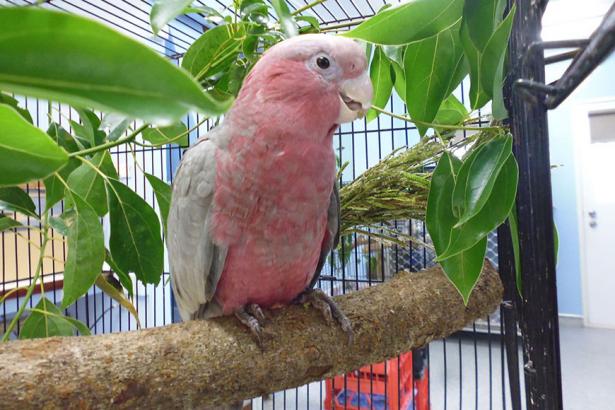
Environmental enrichment focuses on enhancing enclosure structure to better reflect natural conditions. Birds benefit from multiple perches of varying diameters and textures, natural branches, swings and elevated platforms. Parrots, in particular, require destructible materials to shred and manipulate.
Reptiles thrive when provided with climbing structures, secure hideouts and basking sites that mimic natural microclimates. Arboreal species appreciate vertical space, while burrowing species need deep, safe substrate to dig and reshape.
Small mammals enjoy burrows, tunnels, hay-filled hideouts and safe materials for chewing. A multi-layered environment encourages exploration and significantly reduces stress by providing choice and control over their space.
Sensory Stimulation and Its Role in Animal Wellbeing
Exotic pets rely on sight, sound, scent and touch to interpret their world. Sensory enrichment encourages investigation and triggers natural behavioural responses. Visual enrichment may include safe live plants, varied lighting, moving toys or reflections. For prey-driven reptiles, targeted visual cues or scent trails can be used to stimulate hunting instincts safely.
Auditory enrichment, such as gentle natural soundscapes, can be soothing for certain species but should be introduced gradually to avoid overstimulation. Scent enrichment for small mammals encourages exploration, particularly in species such as ferrets, which thrive on olfactory complexity.
Tactile enrichment, such as textured climbing surfaces or digging substrates, helps reduce anxiety and create a richer habitat. Sensory tools are especially beneficial for anxious or rescue animals adjusting to new environments.
Feeding and Foraging Activities to Promote Mental Engagement
In the wild, exotic species spend considerable energy and time on food acquisition. Providing easily accessible meals in captivity removes this mental challenge and can contribute to obesity, digestive issues and boredom.
Foraging toys, puzzle feeders and scatter-feeding methods help restore natural feeding patterns. Birds enjoy wrapped seed parcels, hanging vegetable skewers or slow-release foraging boxes. Reptiles may benefit from varied feeder-prey presentation, scent trails to encourage movement or tong-feeding exercises that stimulate hunting behaviours. Small mammals thrive on hidden treats, cardboard mazes or digging boxes filled with safe substrate.
In many cases seen in our clinic, feeding enrichment becomes one of the simplest yet most transformative components of proper exotic pet care.
Social and Interactive Enrichment for Companion Species
Certain exotic pets are naturally social. Parrots, for example, require regular interaction, training sessions and vocal engagement to remain emotionally balanced. Without social interaction, they are more prone to anxiety, feather-plucking and destructive behaviours.
Even species not traditionally considered social, such as some reptiles, may benefit from predictable, stress-free handling sessions. Interactive training not only strengthens the bond between pet and owner but also provides structured mental stimulation that supports behaviour stability and confidence.
Seasonal and Weather-Related Enrichment Ideas
Seasonal changes offer valuable enrichment opportunities when approached safely. Natural sunlight, supervised outdoor time in predator-proof enclosures and temperature-appropriate microclimate shifts simulate natural rhythms and support behavioural wellbeing. Birds often enjoy misting or bathing in warm weather, while reptiles benefit from natural UV exposure when conditions allow.
Indoor habitats can also be modified seasonally through changes in lighting, décor, natural branches, textures and environmental scents. These variations keep the environment interesting and mirror the subtle seasonal changes animals would encounter in the wild.
Minimising Stress While Enhancing Daily Routine
Enrichment must enhance comfort rather than overwhelm. Sudden changes in environment or routine can increase anxiety, so new items should be introduced gradually. Start with familiar shapes or textures and expand from there, observing the animal’s reactions carefully.
Owners should monitor for signs of overstimulation, avoidance or agitation and adjust the enrichment plan accordingly. Working with an experienced exotic animal vet ensures enrichment activities align with the animal’s health status, mobility needs and natural tendencies.
When to Consult a Veterinarian About Behavioural Concerns
If enrichment efforts do not improve behaviour, or if new behavioural concerns arise, a veterinary assessment is recommended. Pain, hormonal shifts, nutritional deficiencies or underlying illness can appear similar to boredom or stress.
At Currumbin Vet Services, we use a comprehensive approach to determine whether a behavioural issue stems from environment, health or a combination of both. Early intervention can prevent escalation and help families better understand their pet’s unique behavioural language.
Enrichment as a Lifelong Commitment
Behavioural enrichment is not a one-off task. As exotic pets grow, mature and adapt, their needs evolve. Regularly updating the environment, introducing new activities and adjusting routines help maintain ongoing mental and physical wellbeing.
With guidance from experienced exotic animal vets, owners can create enrichment strategies that evolve alongside their pets, offering challenge, comfort and engagement throughout every life stage.
A Natural Way Forward for Exotic Pet Wellbeing
A thoughtful, species-appropriate enrichment plan is one of the most meaningful ways to promote an exotic pet’s wellbeing. By supporting natural behaviours, reducing stress and encouraging healthy activity, enrichment reinforces the connection between emotional resilience and physical health.
Whether caring for a bird, reptile or small mammal, incorporating enrichment into daily life helps cultivate a thriving, mentally stimulated companion under the guidance of a knowledgeable exotic pet veterinary team.
FAQs
Most exotic pets enjoy change, but not too much at once. A partial rotation every one to two weeks works well for birds, reptiles and small mammals. Small adjustments, such as adding a new perch or scent, help maintain interest without causing stress from sudden environmental shifts.
Enrichment can significantly reduce many stress-related behaviours, including pacing, aggression and feather-plucking. However, these behaviours may also have medical causes. If your pet shows persistent or escalating issues, a veterinary assessment is essential to rule out illness, pain or hormonal imbalance.
Outdoor time can provide valuable mental stimulation, but only when done safely. Birds and small mammals should be in secure, escape-proof enclosures, and reptiles require appropriate temperature and UV conditions. Predators, overheating and toxin exposure must always be considered before taking exotic pets outside.
Signs of overstimulation include avoidance, rapid retreating to hide areas, increased aggression or sudden changes in breathing or posture. If your pet shows any of these signs, remove the new item and reintroduce change more gradually. A vet can help tailor a balanced enrichment plan suited to your pet’s temperament.